
Why Heirloom Furniture is Actually the Practical Choice
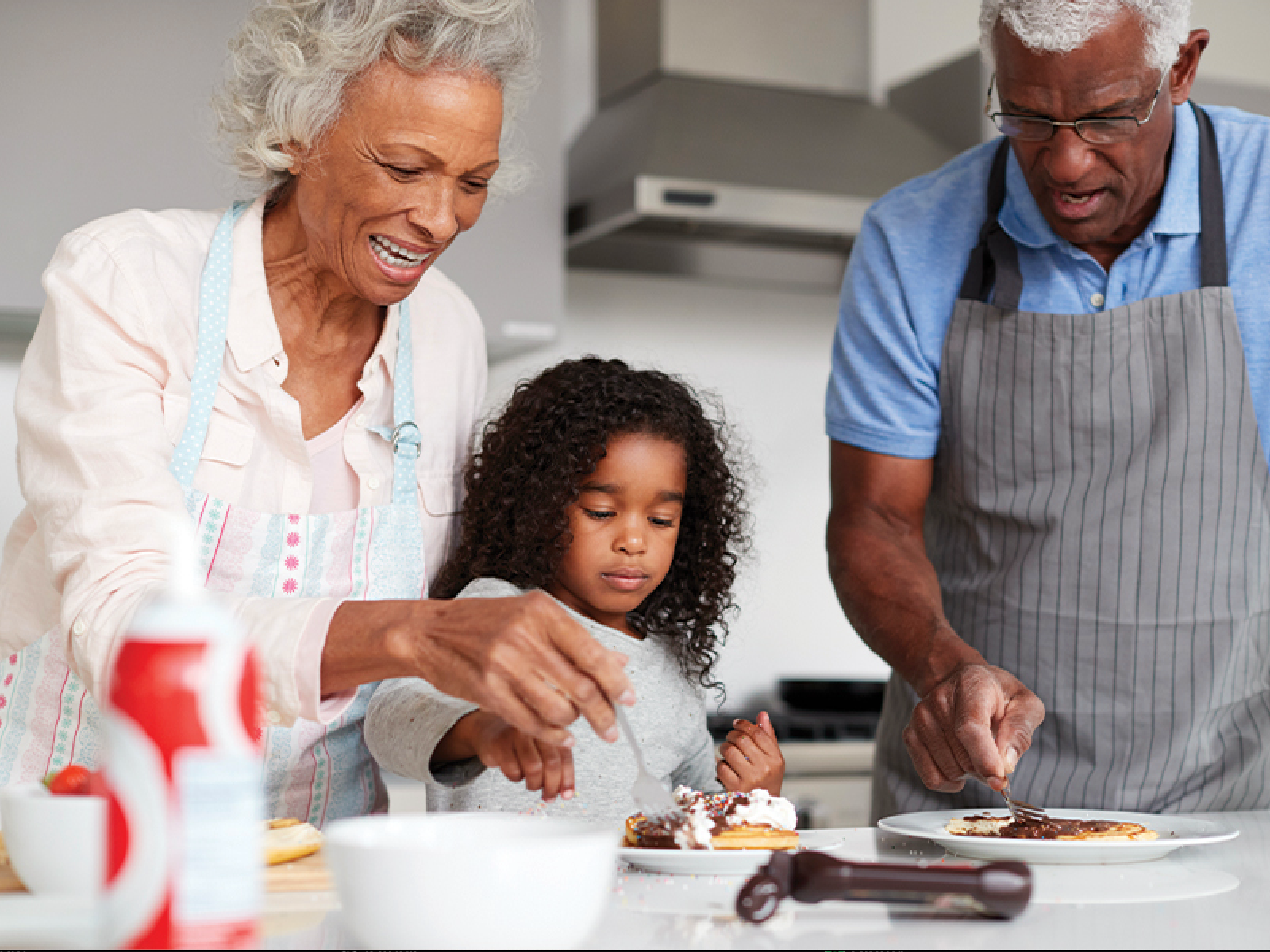
Your grandmother's dining table sits in your home. It's over sixty years old. The finish shows wear from decades of family dinners. There are marks where your mother did homework as a child, barely visible scratches from your own childhood crafts. It's beautiful not despite its age, but because of it. Every mark tells a story. And it's as sturdy today as it was when your grandmother first brought it home.
Meanwhile, the particle board bookshelf you bought three years ago is literally falling apart. The shelves sag. The veneer peels. Screws have stripped their holes and won't tighten. You're shopping for a replacement, which means you'll have spent more on two cheap bookshelves than you would have on one quality piece that could serve your family for decades.
There's a disconnect in how we think about furniture, especially children's furniture. We've been conditioned to see quality, long-lasting pieces as luxury items, splurges, things for people with money to spare. Budget-conscious shoppers choose particle board and pressed wood because it seems financially responsible.
But what if this thinking is completely backward? What if the most practical, financially sound choice is actually the furniture built to last for generations? What if "heirloom quality" isn't about sentimentality and luxury, but about basic math and common sense?
The Real Math of Furniture Investment
Let's run the actual numbers because this is where heirloom furniture stops being romantic and starts being practical.
A particle board changing table costs $150. It wobbles from day one. Within two years, the drawers stick, the surface shows water damage, the structure loosens. Maybe it makes it through one child's infancy. Maybe. By the time your second child arrives, you're shopping for another one. Total cost for two children: $300 or more. Resale value when you're done: $0. These end up at the curb on trash day.
A solid wood changing table costs $500. It's sturdy from the first day and remains sturdy through heavy daily use. It serves your first child, then your second, then possibly a third. When your children age out, you can sell it for $200 to $300 because solid wood furniture maintains value. Or you can repurpose it as a dresser in a guest room. Or you can store it for potential grandchildren. Total cost per child if you have two: $100 to $150. Less than the cheap option, with residual value remaining.
The same calculation applies to every piece of children's furniture. Cheap tables replaced every few years cost more over time than one quality table that lasts from toddlerhood through teenage years. Flimsy bookshelves purchased repeatedly cost more than sturdy shelving bought once.
This isn't theoretical. Ask parents whose children are grown what furniture they wish they'd bought. Universally, they regret the cheap pieces they replaced multiple times and treasure the quality pieces still serving their families.
The furniture industry wants you to see quality as a splurge and disposability as practical. This serves their interest in selling you furniture repeatedly. It doesn't serve your family's interest in having functional, beautiful furniture that actually works.
What Makes Furniture Last Generations
Not all expensive furniture lasts. Not all solid wood furniture is equally durable. Understanding what actually creates longevity helps you distinguish quality from overpriced junk.
Real joinery determines structural integrity. Dovetail joints, mortise and tenon connections, dowels properly fitted—these are the traditional techniques that hold furniture together through decades of use. Look at antique furniture and you'll see these joints, still tight after a century. Compare that to modern furniture assembled with cam locks, screws through particle board, and glue holding everything together. The latter loosens with normal use. The former strengthens with age.
Solid wood has inherent durability that engineered wood products can never match. Real wood can be sanded, refinished, and repaired. It withstands humidity changes without swelling and crumbling like particle board. It develops patina and character rather than looking progressively worse. When properly joined, solid wood furniture can literally last centuries.
Quality hardware matters more than most people realize. Metal drawer slides that glide smoothly and stay aligned versus plastic guides that crack and break. Hinges that remain tight versus ones that loosen with use. These details seem minor until you've dealt with drawers that won't close properly or doors that hang crooked. Good hardware costs more initially but saves money and frustration over time.
Finishes that bond with wood rather than coat it provide lasting protection. This is where AlderBourn's choice of Rubio Monocoat becomes relevant—the finish penetrates and bonds molecularly with wood rather than sitting on top as a layer that can chip and peel. This means furniture that maintains its protection and beauty through heavy use rather than progressively deteriorating.
Appropriate design for actual use separates quality from decoration. Furniture can be beautiful and structurally sound, or beautiful and fragile. Heirloom pieces are designed with real use in mind—edges that won't chip easily, proportions that provide stability, materials that accept wear gracefully. This is why historical children's furniture often survives when modern equivalents fail.
The Environmental Case You Might Not Have Considered
Heirloom furniture is also the environmental choice, though this isn't obvious until you think through the full lifecycle.
Furniture designed to be replaced creates enormous waste. Americans discard millions of tons of furniture annually. Most particle board and laminated furniture can't be recycled—it goes to landfills where adhesives and finishes leach into soil and groundwater. The manufacturing, transportation, and disposal of cheap furniture repeated every few years creates massive environmental impact.
One piece of solid wood furniture replacing five cheap pieces over the same timespan uses less raw material, generates less waste, requires less transportation, and creates less landfill burden. Even if the solid wood piece uses more lumber initially, the total environmental cost is lower when you account for not manufacturing and disposing of multiple replacements.
Quality furniture also tends to be made domestically or with shorter supply chains. AlderBourn furniture is handcrafted in Winterville, North Carolina. The environmental impact of transporting furniture across the country is nothing compared to importing from overseas. Shorter distances mean less fuel consumption and lower carbon footprint.
Heirloom furniture that gets passed down to the next generation or sold secondhand extends its useful life even further. This is the ultimate environmental win—furniture that serves multiple families across multiple generations, minimizing manufacturing demand and waste generation.
If environmental consciousness factors into your purchasing decisions, there's no contest. Buying furniture once that lasts generations is far more sustainable than buying disposable furniture repeatedly.
Heirloom Furniture in Modern Family Life
Some parents worry that quality furniture is too precious for actual children to use. This concern is understandable but misplaced. Properly built furniture is meant to be used, not displayed.
Solid wood handles childhood abuse better than particle board. When your toddler bangs toys against furniture, solid wood might get a small dent. Particle board chips and crumbles. When water spills, solid wood can be dried and might develop character. Particle board swells and permanently weakens. Scratches in solid wood can be sanded out or embraced as part of the piece's story. Scratches in veneer-over-particle-board expose the pressed wood underneath and can't be repaired.
The furniture in your home should serve your life, not constrain it. Quality furniture built for durability is actually more suited to real family life than fragile cheap furniture. You can relax and let children be children when furniture is sturdy enough to handle it.
This is partly why we focus on children's furniture at AlderBourn. We're building pieces explicitly designed to withstand the chaos of childhood while remaining beautiful. These aren't delicate antiques that must be protected. They're working furniture that earns its beauty through use rather than requiring protection from use.
Starting With What Matters Most
If budget constraints mean you can't furnish entire rooms with heirloom-quality pieces, prioritize strategically. Some furniture matters more than others for both use and longevity.
Tables get intensive use and take significant abuse. A child's table serves as eating surface, craft station, homework desk, building platform, and general activity center. This is where investing in solid wood makes the most dramatic difference. A quality table will serve daily for a decade or more. A cheap table will frustrate you constantly and need replacement within a few years.
Beds and sleeping furniture are where children spend a third of their childhood. Quality matters here for both durability and safety. A sturdy bed frame that doesn't wobble or creak, that can handle jumping (even though we tell them not to), that remains solid through years of nightly use, is worth the investment.
Seating that fits properly and remains stable serves children better. Chairs that tip easily, wobble, or break under normal use are both dangerous and frustrating. Stable chairs that properly support a child's body through various developmental stages are worth paying for.
Storage furniture that children use independently should be solid. If they're opening drawers, reaching shelves, and interacting with this furniture daily, it needs to withstand that interaction without becoming a hazard or frustration.
Decorative pieces and items that see less intensive use can be lower-priority for investment. The art on the wall, the decorative basket, the lamp—these might not need to be heirloom quality. Focus your budget on the furniture that works hardest for your family.
The Gift That Keeps Giving
Heirloom furniture makes exceptional gifts because it's one of the few things that truly lasts. Grandparents often want to give meaningful gifts that won't end up in donation bins. A quality piece of furniture becomes part of a child's daily life for years or decades.
This is worth mentioning to relatives who ask what your children need. Instead of toys that will be discarded in months, quality furniture serves your family for the long term and can be passed down eventually. The bookshelf a grandparent gave can later move to a college dorm, then a first apartment, then maybe to the grandchild's own children someday.
The story becomes part of the gift. "This is the table your great-grandmother gave you when you were two." That narrative connection across generations matters. It's one reason heirloom furniture feels special beyond its functional value.
If you're in the position to give gifts to children in your life, consider furniture that will last and carry meaning. It's a gift to the child, to their parents (who won't need to replace it), and potentially to future generations.
What About Changing Styles?
A common objection to investing in quality furniture is concern about changing tastes. Will furniture chosen today still appeal in ten years? Will your teenager want the furniture you bought when they were a toddler?
This is where timeless design matters. Heirloom furniture isn't trendy—it's classic. Simple lines, quality materials, neutral finishes, and proportions that work at any age ensure furniture remains appropriate as children grow and tastes evolve.
Avoid character themes, trendy colors, or age-specific designs if you want furniture to last. A beautifully made wooden bookshelf works in a toddler's room, an elementary schooler's room, a teenager's room, and eventually an adult apartment. A bookshelf shaped like a cartoon character or finished in this year's trendy color dates itself immediately.
At AlderBourn, this principle guides every design choice. We're not creating furniture that announces itself as "for toddlers" or "for preschoolers." We're creating furniture properly scaled for children that remains aesthetically appropriate as they grow. A teenager should be able to use the table they had as a preschooler without feeling like they're using baby furniture.
Making the Investment Work
Quality furniture requires upfront investment, which can be challenging. Here are approaches that make it more accessible.
Buy one quality piece at a time rather than trying to furnish entire rooms at once. Start with the most-used item, perhaps a table and chairs. Add other pieces as budget allows. A room with one excellent piece and some adequate furniture is better than a room full of furniture that won't last.
Consider quality furniture as gifts for major occasions—birthdays, holidays, celebrations. When relatives ask what your child needs, direct them toward furniture that will serve for years rather than toys that won't.
Watch for direct-from-maker options that eliminate retail markup. Companies that sell directly to consumers can offer higher quality at lower prices than traditional retail channels allow. This is part of why AlderBourn can offer handcrafted solid wood furniture at prices that compete with mass-market options.
Plan for furniture to serve multiple children if you're planning to expand your family. One quality piece serving three children costs one-third as much per child as three cheap pieces bought separately.
Factor resale value into your cost calculation. Quality furniture retains value. When your children outgrow it, you can sell it for a meaningful portion of what you paid. This residual value effectively reduces your actual cost. Cheap furniture has no resale value—you pay to have it hauled away.
The April Product Launch
We're sharing this philosophy of heirloom-quality furniture in February for a specific reason. On April 1st, AlderBourn is launching new products that embody everything we've discussed here—solid wood construction, zero-VOC finishes, timeless design, and the kind of quality that serves families for generations.
We believe furniture should be an investment in your family's future, not an expense repeated every few years. We believe children deserve furniture that respects both their current needs and their growth trajectory. And we believe practical, financially sound choices shouldn't require sacrificing safety, beauty, or values.
The pieces we're launching in April represent months of design work focused on creating furniture that truly grows with children—not through gimmicky adjustment mechanisms, but through thoughtful design that remains relevant and functional from toddlerhood through teenage years and beyond.
If you're considering furniture purchases this spring, we'd encourage you to wait just a few weeks. See what we're releasing. Compare the quality, design, and long-term value to what's available elsewhere. Make an informed decision about whether investing in heirloom-quality pieces makes sense for your family.
We're confident that when you see and understand what goes into truly excellent children's furniture, the choice becomes clear. The most practical option is the one you buy once and use for decades. The luxury is actually the disposable furniture you replace repeatedly.
Beyond Furniture
The principle of buying quality once rather than cheap repeatedly extends beyond furniture. It's a philosophy that reduces stress, saves money, and aligns with values many families hold about sustainability and intentional consumption.
When you invest in things that last, you break the cycle of constant replacement. You reduce time spent shopping, assembly, and disposal. You develop relationships with the items in your home rather than treating everything as temporary and disposable. Your children learn that things can be made to last, cared for, and valued across time.
Heirloom furniture is the visible, tangible example of this philosophy. It's the grandmother's table you still use. The bookshelf that moved with you through five different homes. The bed frame that went from your room to your child's room to eventually your grandchild's room.
These pieces aren't precious museum artifacts. They're working furniture that's earned its place through decades of service. They're beautiful because they've been used, loved, and maintained. They're practical because they've eliminated the need for countless replacements.
This is what we're building at AlderBourn. Not decorative heirlooms that must be protected, but working heirlooms that earn their status through service. Furniture that's built so well that passing it down becomes the natural choice rather than a sentimental indulgence.
Your children deserve furniture that respects them, serves them, and potentially outlives them. That's not luxury. That's just common sense.
What's the oldest piece of furniture in your home? What quality items have proven their worth over time? Share your heirloom stories in the comments!
