
5 Signs Your Child is Ready for Their Own Big Kid Bed
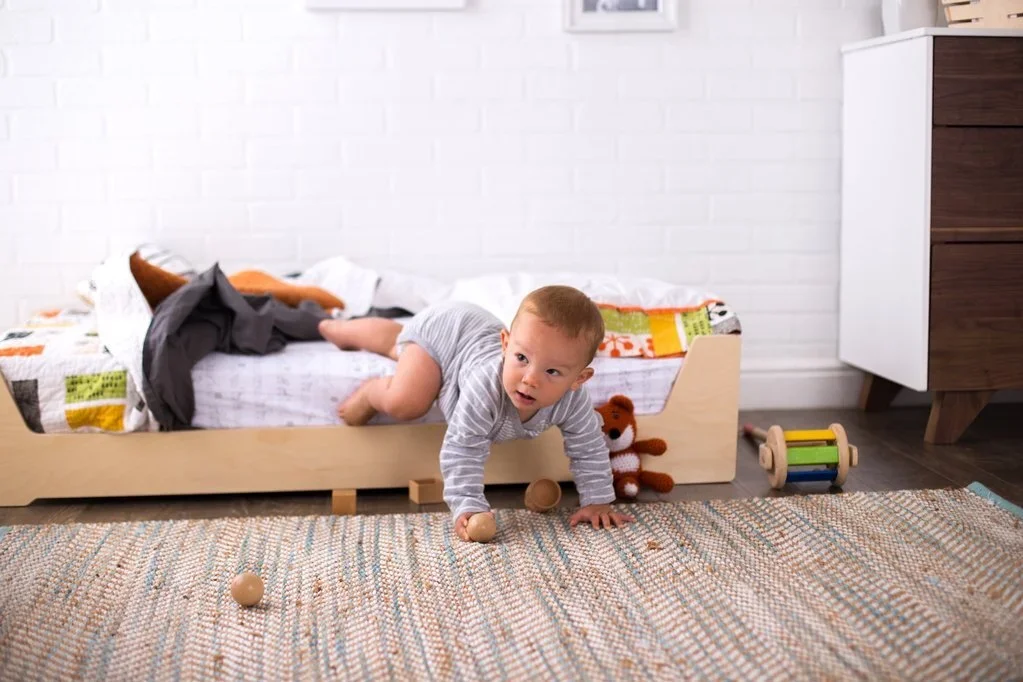
It's 2:00 AM, and you hear the thud. You rush to your toddler's room to find them standing beside the crib, looking as surprised as you are. They just climbed out. For the first time. And now that they know they can do it, this skill isn't going back in the box.
Or maybe your two-year-old has started asking about the "big bed" they see in their sibling's room. Or they're suddenly resisting the crib at bedtime when they used to go down easily. Or you're expecting another baby and need the crib for a newborn, and you're wondering if your toddler is ready for the transition.
The move from crib to bed is one of those parenting milestones that feels enormous. The crib has been a safe container, a guarantee that your child stays where you put them at night. A bed feels like chaos waiting to happen. What if they get up constantly? What if they hurt themselves wandering around at night? What if bedtime becomes an hours-long negotiation?
These fears are valid, and sometimes waiting a bit longer is the right call. But many parents delay the transition far beyond when their child is actually ready, making it harder than it needs to be. There are clear signs that indicate readiness, and when you see them, moving to a bed often goes more smoothly than anxious parents expect.
Sign 1: They're Climbing Out of the Crib
This is the most obvious and urgent sign. Once your child can climb out of the crib, the crib is no longer safe. The risk of falling and injury during escape attempts is real, and lowering the mattress only buys you a little time before they figure out the new challenge.
Some parents respond to crib climbing by making the crib harder to escape: removing bumpers, lowering the mattress to the floor, even putting the crib mattress directly on the ground inside the crib frame. These are temporary measures at best. A child determined to climb will find a way, and the desperation to make the crib work when they've outgrown it often creates more problems than transitioning to a bed.
The typical age for crib climbing attempts is between 18 months and three years, with many children figuring it out around two. Once they've successfully climbed out even once, assume they'll do it again. This is your sign that the crib phase is ending whether you planned for it or not.
When crib climbing forces the transition earlier than you'd hoped, know that children this age can absolutely adapt to a bed successfully. You'll need to childproof the room thoroughly since they'll have unsupervised access, and you might need to sit with them through the initial adjustment period, but it's doable. The crib isn't safe anymore, which makes the decision clear.
Sign 2: They Express Interest or Curiosity
Children who ask about "big kid beds," who comment on older siblings' beds, who pretend their stuffed animals need beds, or who talk about sleeping in a bed instead of a crib are telling you they're mentally ready for this transition.
This cognitive readiness is actually more important than physical readiness. A child who understands the concept of a bed, who sees it as a positive milestone rather than a scary change, will typically transition more smoothly than one who's physically capable but mentally resistant.
When your child expresses interest, capitalize on that enthusiasm rather than waiting until some arbitrary "right age." Let them help choose bedding. Take them to see beds. Read books about transitioning to big kid beds. Build excitement about this new stage. Their interest is a green light, not something to dismiss with "you're not old enough yet."
The sweet spot for transition is often when curiosity emerges but before anxiety sets in. Wait too long after they've expressed interest, and you might find them asking "Am I too little for a big bed?" or developing fears about the change. Strike while their enthusiasm is high.
Some children never explicitly express interest, and that's fine too. Interest is a sign of readiness, but its absence isn't necessarily a sign of unreadiness. Look for the other indicators alongside this one.
Sign 3: They're Potty Training or Trained
The relationship between potty training and bed transition isn't obvious to all parents, but it's significant. Children who are potty trained or working on it need independent bathroom access at night. This is nearly impossible from a crib.
If your child wakes needing to use the bathroom and can't get out of their crib, they're dependent on you hearing them call, coming to get them, and getting them to the bathroom in time. This sets up potty training for nighttime failure. The urgency of a full bladder doesn't wait for adult response time.
A bed allows children to get up independently and use the bathroom. With a nightlight and clear path to the bathroom, many newly trained children can handle nighttime bathroom trips themselves. This independence reinforces potty training and prevents the frustrating situation where a child is trained during the day but regresses at night because they can't access the bathroom.
Even children in the early stages of potty training benefit from bed access. Being able to get up and tell you they need the bathroom, rather than having to wake fully enough to call out from the crib and wait for help, makes nighttime training more achievable.
If you're starting potty training soon, consider making the bed transition first or simultaneously. Trying to potty train a child who's still in a crib creates unnecessary obstacles.
Sign 4: They're Over Age 2.5 to 3
While there's no magic age that's universally right, most child development experts suggest that somewhere between two-and-a-half and three years old is the typical window when children are developmentally ready for the transition, even if they haven't shown other clear signs.
By this age, children generally have the cognitive ability to understand boundaries and rules, even if they don't always follow them perfectly. They can comprehend "we stay in bed until morning" in a way that younger toddlers cannot. They have the impulse control to at least attempt following nighttime rules, though success varies by temperament and day.
Their gross motor skills are also developed enough that getting in and out of a low bed is safe and manageable. Falls from a bed close to the ground are unlikely to cause injury, and children this age typically have the body awareness to avoid rolling out once they're asleep.
If your child is approaching or past three and still in a crib, consider whether you're delaying because they're truly not ready or because you're anxious about the change. Many parents keep children in cribs longer than necessary simply because it's familiar and feels safer. But children at this age often rise to the expectations we set. If we expect them to stay in a bed, many will.
There are exceptions, of course. Children with developmental delays, sensory issues, or medical conditions might need the contained sleep space of a crib longer. But for typically developing children past age three, the crib is often more about parental comfort than child need.
Sign 5: A New Baby is Coming
This one isn't about the older child's readiness so much as family necessity, but it's real nonetheless. If you're expecting a new baby and need the crib, your toddler needs to transition to a bed.
The key with this scenario is timing. Ideally, make the transition at least two to three months before the baby arrives. This gives your older child time to adjust while they still have your full attention and before the disruption of a new sibling. It also prevents them from feeling displaced, as if the baby took their crib.
If you're reading this and the baby is arriving sooner than two months, don't panic. Many children transition successfully even close to the baby's arrival. Just be prepared to offer extra support, maintain consistency, and separate the two events in your child's mind as much as possible.
Consider framing the transition as your child becoming a big kid rather than making room for the baby. "You're getting so big that you're ready for a big kid bed!" is better received than "We need your crib for the baby." The first is about their growth and achievement. The second is about loss and displacement.
Some parents choose to keep the older child in the crib and get a second crib or bassinet for the newborn. This can work if the older child truly isn't ready for a bed transition. But if they're showing other readiness signs and you're just delaying out of convenience, making the transition now often works better than waiting until the baby arrives and trying to manage both simultaneously.
What Readiness Actually Looks Like
Readiness isn't just one factor. It's the combination of physical capability, cognitive understanding, emotional maturity, and practical circumstances. The ideal time to transition is when several of these factors align.
A child who is physically capable of getting in and out of bed safely, who understands what staying in bed means even if they don't perfectly comply, who isn't going through major stress or change in other areas, and who has parents prepared to support the transition calmly is set up for success.
Perfect compliance isn't the bar for readiness. Many children who are absolutely ready for a bed will still test boundaries, get up occasionally, and need reminders about staying in bed. This is normal two and three-year-old behavior, not a sign they weren't ready.
The question isn't "Will they stay in bed perfectly from day one?" The question is "Are they capable of learning to stay in bed with consistency and support?" Most children over age two meet this bar if the transition is handled thoughtfully.
Setting Up for Success
Once you've determined your child is ready, setup matters as much as timing. The environment you create influences how smoothly the transition goes.
Choose a bed that's close to the ground. A mattress on the floor works perfectly. A low bed frame or toddler bed is also good. The goal is minimizing fall distance if they roll out while adjusting to this new freedom. Many children never fall out at all, but peace of mind comes from knowing a potential fall is six inches, not three feet.
At AlderBourn, we often recommend parents start with just a mattress on the floor, then add a proper bed frame a few months later once the child has adjusted. There's no rush to have a complete bed setup from day one. Function over form initially helps everyone relax.
Childproof the room thoroughly. Assume your child will get up and explore. Secure furniture to walls, cover outlets, remove choking hazards, ensure window treatments have no cords, and eliminate anything dangerous they could access unsupervised. The room needs to be safe for unsupervised exploration because that's what's going to happen.
Create clear boundaries about bedtime expectations. Use a toddler clock that shows when it's okay to get out of bed. Establish a consistent bedtime routine that ends with them in bed. Decide in advance how you'll respond to them getting out of bed, and be consistent. Will you walk them back silently? Will you sit near the bed until they fall asleep? Know your plan before the first night.
Make the new bed exciting and comfortable. Let them choose special sheets or a new stuffed animal for the bed. Make it appealing rather than scary. Some children transition better with familiar crib bedding at first, while others love the novelty of new "big kid" items. Follow your child's cues.
Consider keeping the crib in the room for a few days if possible, letting them choose where to sleep each night. Many children will voluntarily choose the bed after a night or two, making them feel empowered in the transition rather than forced. Once they've consistently chosen the bed for several nights, remove the crib.
Managing the Adjustment Period
The first few weeks can be rough. Expect some testing, some getting up, some challenging bedtimes. This doesn't mean you made the wrong choice or that your child wasn't ready. It means they're adjusting to new freedom and need help learning boundaries.
Stay consistent with whatever approach you've chosen. If you decide to walk them back to bed silently every time they get up, do that every single time. If you're sitting near the bed until they fall asleep and gradually moving farther away, stick with the plan. Consistency is what helps children learn expectations.
Expect regression when life gets stressful. Illness, travel, new siblings, or other disruptions may temporarily derail good sleep habits. This is normal. Return to basics, reestablish routines, and trust that you'll get back on track.
Celebrate successes without making sleep performance-based. "You stayed in your bed all night!" is fine. But avoid creating a situation where your love or approval feels contingent on perfect bedtime behavior. The goal is helping them develop healthy sleep habits, not making them anxious about pleasing you.
Accept that temperament matters enormously. Some children transition seamlessly, sleeping beautifully in a bed from night one. Others take weeks or months to consistently stay in bed. Neither pattern indicates failure. It's just personality and development intersecting with this particular milestone.
When to Wait
Not every child showing one readiness sign needs to transition immediately. There are times when waiting serves everyone better.
If your family is going through major transition or stress (moving, new baby arriving within the next month, divorce, starting daycare), adding a sleep transition might be too much. Wait until life stabilizes if possible.
If your child is struggling with anxiety, night fears, or other emotional challenges, the crib might provide security they need while working through those issues. Address the underlying concern first, then revisit the bed transition.
If you're not ready, that matters too. Parents who are anxious, exhausted, or dealing with their own health or stress may not have the bandwidth to support a transition well. It's okay to wait until you're in a better place to handle potential sleep disruption and boundary testing.
The crib isn't harmful. A child who stays in a crib past age three isn't damaged by it. The transition matters, but the exact timing within a reasonable window matters less than you might think. Better to wait until everyone's ready than force a transition during a terrible time.
Looking Forward
The big kid bed transition feels enormous in the moment. It represents your child's growing independence, the end of baby containment, and new responsibilities for everyone. But like most parenting milestones, it's more manageable than you fear and less permanent than you hope.
Many parents look back on the crib-to-bed transition as surprisingly smooth, even when they anticipated disaster. Children often rise to new expectations and adapt faster than we give them credit for. The first few nights might be rocky, but within weeks, the new normal establishes itself.
Years from now, you'll barely remember the transition period. You'll remember them as your baby in a crib, and then your child in a bed, with the in-between time fading to background. What matters is recognizing when your child is ready and supporting them through the change with patience and consistency.
Your child is growing up. The bed is just one visible marker of that growth. Trust the signs of readiness, prepare thoughtfully, and know that you're both capable of handling this transition.
How did your child's transition to a big kid bed go? What worked (or didn't work) for your family? Share your experiences in the comments!
