
Small Room, Big Dreams: Maximizing Tiny Kids' Bedrooms
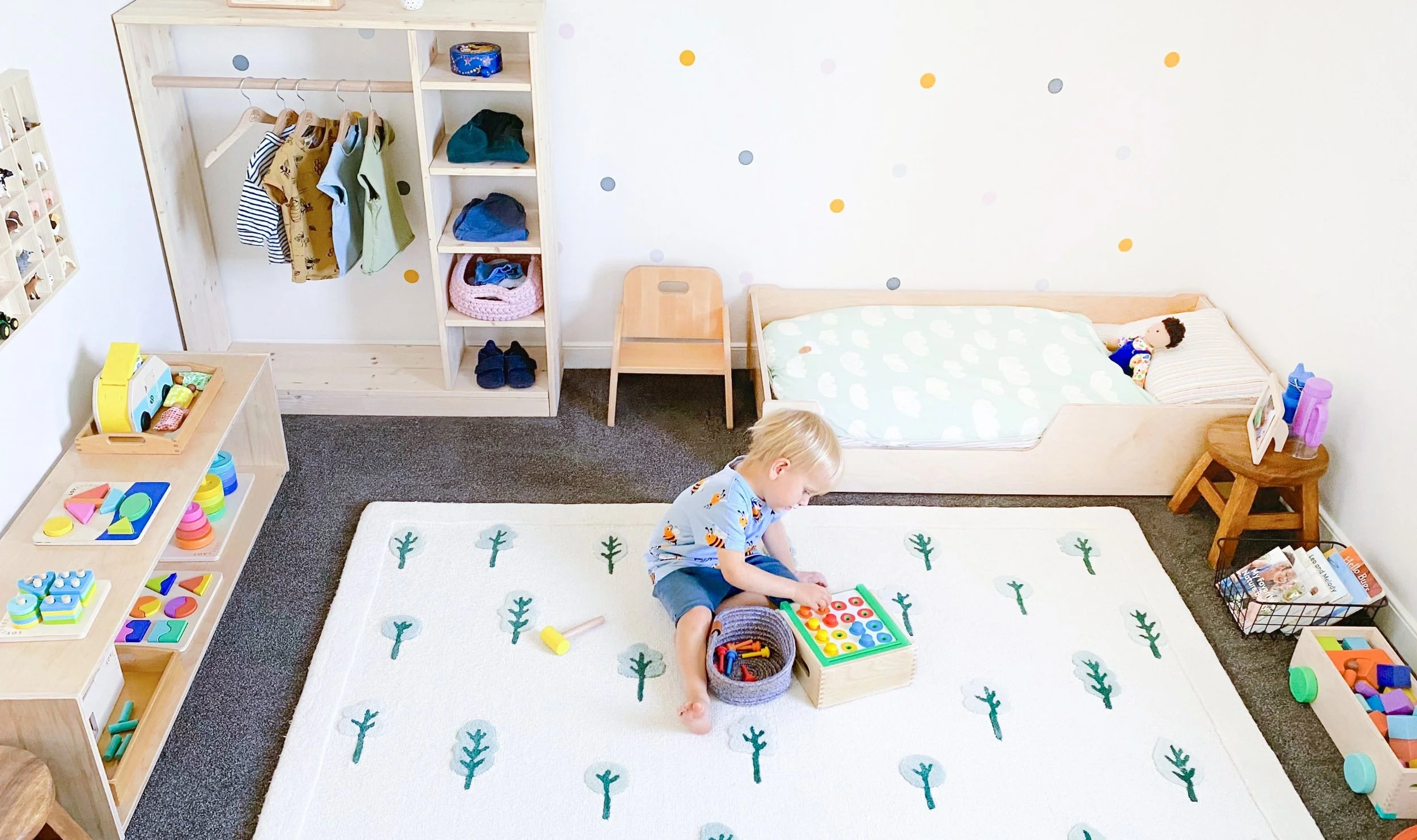
Your child's bedroom is eight feet by ten feet. Maybe nine by nine if you're lucky. There's space for a bed, and after that, the choices get difficult. Do you prioritize storage? Play space? A desk for homework? A reading nook? The room can't fit everything, which means you're constantly making compromises and feeling like your child is missing out on the spacious, perfectly designed bedroom you see in magazines and Instagram posts.
Meanwhile, your child doesn't seem to notice or care that their room is small. They're building pillow forts, creating imaginary worlds, and turning every square inch into adventure. The limitation is mostly in your head, shaped by comparisons to rooms you'll never have and standards that don't actually serve your child's needs.
Here's what years of working with families in small spaces has taught us: room size matters far less than thoughtful design. Some of the most functional, beloved children's rooms we've seen are tiny. Some of the most dysfunctional, underused rooms are enormous. It's not about square footage. It's about understanding what your child actually needs, prioritizing ruthlessly, and designing with intention rather than trying to cram everything into inadequate space.
Small rooms can absolutely work beautifully for children. You just need to think differently about how to use them.
What Children Actually Need in Their Bedroom
Before addressing how to maximize small spaces, step back and question what really needs to be in a child's bedroom. We've been conditioned to think children's rooms must contain everything, but this isn't true or even desirable.
A place to sleep is non-negotiable. The bed and surrounding space for getting in and out safely. This is the core function of a bedroom and the one thing that absolutely must work well.
Storage for clothing is typically essential, though the amount varies wildly by family. Some children need substantial clothing storage. Others wear uniforms or have minimal wardrobes and need very little space for clothes. Don't automatically assume you need massive storage just because that's standard.
Some personal storage for treasured items, books, and current interests matters for most children. But this doesn't require extensive built-ins or elaborate organization. A bookshelf and a few bins or baskets often suffice.
Everything else is optional and depends on your specific child and family setup. Play space? Maybe they play mostly in a shared family room or playroom. Homework desk? Perhaps they work at the kitchen table where you can supervise. Reading nook? The bed might serve this purpose perfectly well. Art station? Could live in the kitchen or dining room.
The point isn't that these things don't matter. It's that they don't all need to fit into the bedroom if space is limited. Small bedrooms can focus on their core function (sleeping, dressing, quiet personal time) while other activities happen elsewhere.
This mindset shift is liberating. You're not trying to create a complete self-contained world in eighty square feet. You're creating a sleeping space and personal retreat that works within your home's broader ecosystem.
Strategic Furniture Choices for Tight Spaces
Furniture selection makes or breaks small room functionality. Every piece must justify its footprint.
Child-sized furniture changes the spatial equation completely. A full-sized adult desk might consume fifteen square feet and overwhelm a small room. A properly proportioned child's table takes up four square feet and serves the same function while leaving space to actually move around. This is one area where AlderBourn's approach to furniture sizing makes dramatic practical difference, not just aesthetic difference.
The same applies to seating. Adult-sized chairs in a child's small room waste space and look awkward. Child-sized chairs are appropriately scaled to both the user and the room. When furniture fits the person using it and the space containing it, rooms feel more spacious and functional.
Beds close to the ground maximize vertical space perception. A bed that's high off the ground with storage underneath might seem like smart space usage, but it can make a small room feel cramped and closed in. A low bed or mattress on the floor keeps sight lines open, making the room feel larger. Storage can happen vertically on walls rather than under beds.
Furniture with dual purposes earns its space. A bookshelf that also defines zones in the room. A sturdy table that serves for both crafts and homework. A bench that provides seating and storage inside. Every piece should serve multiple needs or be questioned.
Lightweight, movable furniture allows flexibility. In small rooms, you sometimes need to rearrange for different activities. Furniture that's light enough for a child to move independently (or for you to move easily) is more functional than heavy built-in pieces that lock you into one configuration forever.
Open shelving creates visual spaciousness that closed cabinets don't. Closed storage has its place, but in small rooms, seeing through to the wall behind shelving makes space feel more open than solid cabinet faces. This is partly psychological but no less real.
Vertical Space Is Your Secret Weapon
When floor space is limited, walls become primary real estate. Most small children's rooms radically underutilize vertical space.
Shelving that goes up rather than out multiplies storage without consuming floor area. A tall, narrow bookshelf holds as many books as a wide, short one but uses half the floor footprint. Go vertical whenever possible.
Wall-mounted storage keeps floors clear. Floating shelves for books or displays. Wall-mounted bins for art supplies. Hooks for bags, dress-up clothes, or frequently used items. Every item stored on walls is an item not taking up precious floor space.
High shelves for rotational storage work well in kids' rooms. Items not currently in use can live on shelves that require adult help to access. Seasonal clothes, toys being rotated out, books they've outgrown but you're saving. This storage doesn't interfere with daily functionality because it's not part of the active play area.
Don't neglect space above the door, in corners, or along the ceiling line. These areas often go unused but can hold lightweight storage, decorative elements, or even functional items if creatively approached.
The key is keeping frequently-used items at child height while utilizing upper walls for less-accessed storage. This maintains independence for daily needs while maximizing total storage capacity.
Color and Light Create Perceived Space
Physical space is fixed, but perceived space is highly manipulable through design choices.
Light colors on walls and large furniture make rooms feel more spacious. This isn't just design theory, it's physics. Light colors reflect more light, making spaces feel brighter and more open. In small rooms, this matters. Save bold, dark colors for accents and smaller pieces.
Mirrors strategically placed can double the perceived size of a room. A mirror on a closet door or positioned to reflect a window creates the illusion of more space and more light. This is a designer trick that works in children's rooms as well as anywhere else.
Good lighting from multiple sources prevents the cave-like feeling small rooms can develop. A ceiling light alone creates harsh shadows and feels cramped. Add a lamp on the nightstand, maybe string lights for ambiance, ensure window light can enter freely. Layered lighting makes small rooms feel more open and versatile.
Natural materials and wood tones add warmth without heaviness. The clean lines and natural finish of solid wood furniture provide visual calm that busy patterns or plastic materials don't. In small spaces, this matters more because everything is always visible.
Defining Zones Without Walls
Even tiny rooms can have distinct functional zones if you're thoughtful about definition.
Rugs create psychological boundaries without physical barriers. A small rug defines a play area. The bed and nightstand area feels separate from the clothing storage area even though they're in the same small room. This zoning helps children mentally organize their space.
Furniture placement can suggest boundaries. A bookshelf positioned perpendicular to a wall partially divides space while maintaining openness. The bed against one wall, desk area on another wall, each zone defined by furniture placement rather than actual walls.
Different lighting for different zones helps brains recognize spatial purpose. Bright task lighting at the desk area. Softer ambient light near the bed. Even in one small room, lighting can signal different functions for different areas.
Color or visual differences between zones work well. Different colored bins for different types of toys. Distinct artwork or decoration in the sleep area versus the play area. These subtle cues help children understand how different parts of their room serve different purposes.
What to Leave Out
Maximizing small rooms is as much about what you don't include as what you do.
Oversized stuffed animal collections consume shocking amounts of space. Most children have a few beloved stuffed animals and dozens they ignore. Rotate these. Keep favorites accessible, store the rest elsewhere or donate them. The visual and physical space freed up is significant.
Excessive decorative items clutter small spaces. In a large room, multiple decorative elements create interest. In a tiny room, they create chaos. Choose a few meaningful pieces and let the rest go. Less is genuinely more when space is limited.
Furniture that doesn't serve active purposes should be questioned. That cute chair no one ever sits in? It's wasting space. The decorative basket that holds nothing? Floor space you can't afford to give up. Be ruthless about function over decoration.
Toys and books beyond what's actually played with or read create overwhelming visual clutter. Implement rotation systems. Keep a curated selection accessible, store the rest elsewhere, swap periodically. Children play more deeply with fewer choices anyway, and your small room stays functional.
Storage Solutions That Actually Work
Generic organization advice rarely addresses the specific constraints of small children's rooms. Here's what actually functions in tight spaces.
Under-bed storage works if the bed is high enough, but don't sacrifice the spatial perception that comes with a low bed just to gain storage. There are better places for storage that don't compromise the room's primary function.
Behind-the-door storage maximizes unused space. Over-door organizers, hooks on the back of the door, shallow shelving behind the door that swings open. This area often goes completely unused when it could hold significant items.
Closet organization matters more in small rooms because the closet often provides the bulk of storage. Maximize closet space with appropriate shelving, rods at child height, bins or baskets that actually fit the space. A well-organized closet can eliminate the need for a dresser entirely.
Furniture with built-in storage needs to be carefully evaluated. Sometimes it's brilliant (a window seat with storage inside). Sometimes it's wasteful (storage that's difficult to access or doesn't actually hold much). Don't assume built-in storage is automatically better.
Wall-mounted bins and baskets keep items accessible without consuming floor space. This works particularly well for art supplies, small toys, dress-up accessories, and other items that need to be handy but don't require furniture to contain them.
The Bed as Multifunctional Space
In very small rooms, the bed often needs to serve multiple purposes beyond sleeping.
The bed as a daytime seating area works well with appropriate pillows and setup. Children naturally gravitate to their beds for reading, playing with small toys, or just hanging out. Embrace this rather than fighting it.
The bed as a defined boundary between zones can be strategic. Positioning the bed to separate the sleep area from the play or work area creates psychological division even in one small space.
Bedding choices affect how the bed functions during the day. If the bed will be used for daytime activities, choose bedding that can handle it or that's easy to remake. A simple comforter that can be pulled up quickly beats elaborate bedding that's a pain to maintain.
Growing Room Functionality With Your Child
Small rooms need to evolve as children's needs change. What works for a toddler fails for a tween.
Toddler small rooms prioritize floor play space. Minimal furniture, emphasis on being able to spread out and move. Storage can be simple because toddlers don't have extensive belongings yet.
Preschool small rooms start needing more storage and perhaps a surface for activities. A small table and chairs become valuable. Storage becomes more complex as books, toys, and interests multiply.
Elementary small rooms often need homework space, more sophisticated storage for hobbies and collections, and room for friends to visit. The play space might shrink but work space becomes essential.
Tween and teen small rooms need privacy, study space, and room for independent interests. Play furniture might go, replaced by a desk, more sophisticated storage, and technology accommodations.
The beautiful aspect of thoughtfully chosen furniture is that it can evolve through these stages. A quality child's table serves a preschooler's craft activities and an elementary schooler's homework. A well-made bookshelf holds board books, then chapter books, then textbooks, then a young adult's favorite novels. Furniture that grows with children means small rooms can adapt without requiring complete furniture replacement at each stage.
Making Peace With Small
The hardest part of small children's rooms is often parental acceptance rather than actual functionality. We compare to idealized images and feel our children are being shortchanged. But children don't need sprawling spaces to thrive. They need spaces that work for them.
Small rooms can be cozy rather than cramped. They can feel intimate and special rather than limiting. Children often love their small rooms specifically because everything is within reach, the space feels manageable, and it's genuinely their own.
Your child's small bedroom isn't a problem to solve. It's a design challenge that, when approached thoughtfully, can result in a space that serves them beautifully. Focus on function, prioritize ruthlessly, choose furniture that earns its footprint, and trust that room size matters far less than you fear.
The bedroom that nurtures your child's growth isn't measured in square feet. It's measured in how well it serves their actual needs, supports their independence, and creates a space they genuinely want to be in. Small rooms can absolutely achieve all of this.
How have you made small children's rooms work for your family? What creative solutions have you found? Share your small-space wins in the comments!
Looking for furniture that maximizes small spaces? Our child-sized pieces are designed to provide full functionality without overwhelming compact rooms. Explore space-efficient solutions at www.alderbourn.com.
