
Spring Refresh: Rotating Toys and Refreshing Spaces
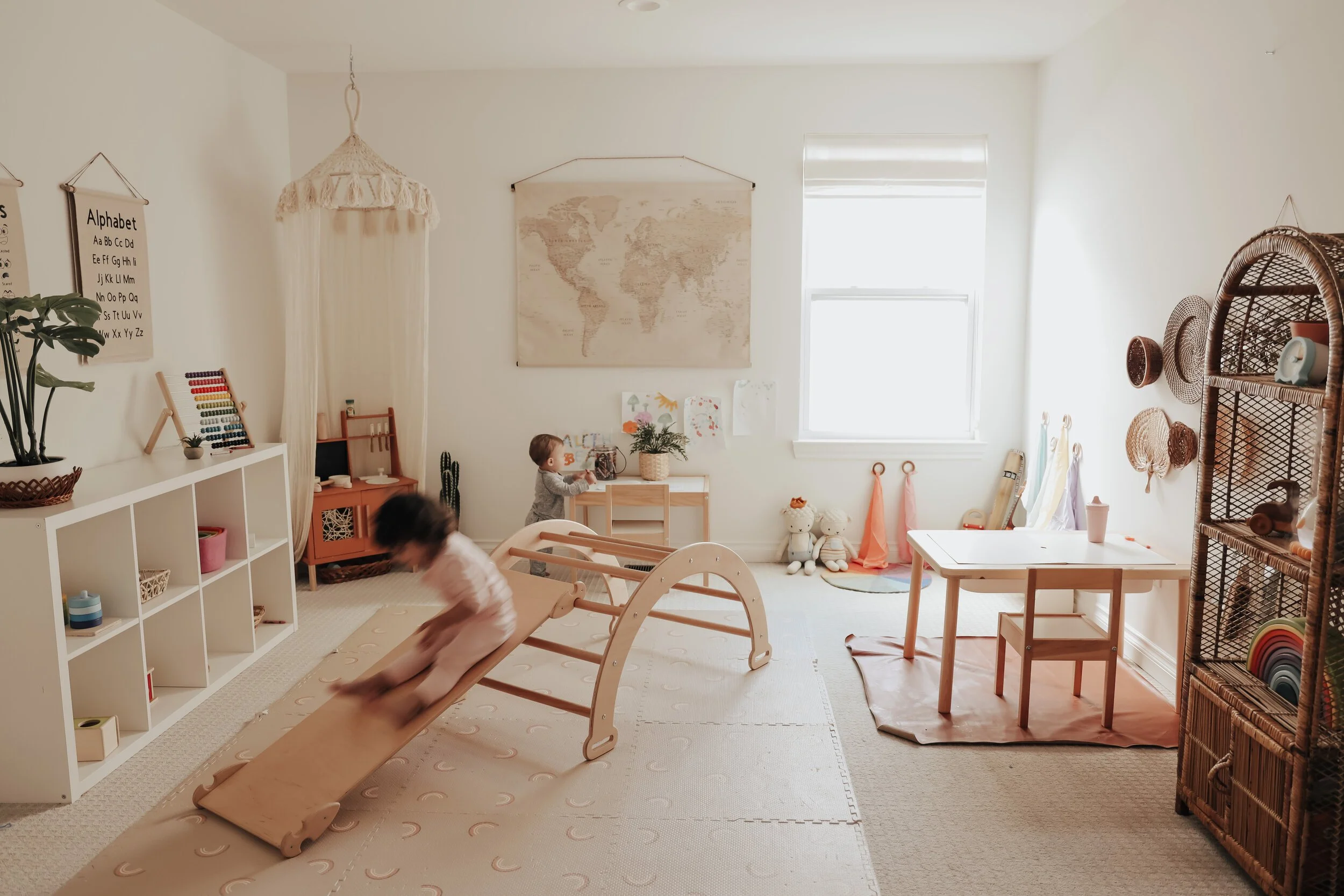
It's March, and you're starting to feel it. The winter fatigue. The cabin fever. The same toys scattered across the same floor for the hundredth time. Your children seem bored despite having more toys than any child reasonably needs. The playroom feels stale. Everyone's a little cranky from too much indoor time with too little novelty.
Spring is coming, which means your mind naturally turns to renewal. You want to open windows, let fresh air in, and somehow make your home feel new again without spending money you don't have or time you don't possess. The idea of "spring cleaning" sounds exhausting, but the alternative is living with this stagnant, cluttered feeling until summer.
Here's what most parents don't realize: you don't need new toys to create freshness. You don't need a massive overhaul or extensive shopping. You need rotation, refresh, and ruthless editing. You already own everything required to make your children's spaces feel completely new. It's just hidden under the avalanche of everything being out at once.
Toy rotation and seasonal space refresh aren't about organization for organization's sake. They're about creating environments where children can actually engage deeply with what they have, where spaces feel renewed without consuming resources, and where spring truly feels like a fresh start.
Why Everything Being Out All the Time Fails
Before discussing rotation, understand why having every toy accessible simultaneously creates problems rather than abundance.
Too many choices paralyze decision-making. Research consistently shows that excessive choice overwhelms children. When faced with fifty toy options, many children can't settle on anything. They flit between items without engaging deeply, or they shut down entirely, claiming they're bored despite abundance.
Visual clutter creates cognitive overwhelm. When every surface is covered with toys, when shelves overflow, when bins burst with stuffed animals, the environment itself is stressful. Children's brains are constantly processing all this visual information, making it harder to focus, relax, or engage meaningfully with any one thing.
Toys lose novelty when constantly available. The doll that was beloved in December becomes invisible in February when it's been sitting on the same shelf for months. Not because the child outgrew it or stopped loving it. Because familiarity breeds indifference. The same toy, removed for six weeks then reintroduced, suddenly becomes interesting again.
Everything out means nothing has special status. When every toy is equally available all the time, none feel special or exciting. There's no anticipation, no discovery, no "oh I forgot about this!" joy that makes play richer.
Cleanup becomes impossible when the volume is overwhelming. Even motivated children struggle to restore order when the quantity of stuff is simply too much to organize and put away in reasonable time. This creates a cycle where the playroom is never truly clean, which contributes to that stale, chaotic feeling.
The Rotation System That Actually Works
Toy rotation sounds complicated, but it's remarkably simple once you understand the principle. You're dividing toys into groups, keeping one group accessible while storing others, then swapping periodically.
Start by sorting everything into broad categories that make sense for your children. Building toys. Pretend play items. Arts and crafts. Puzzles and games. Books. Vehicles. Dolls and action figures. Whatever categories reflect what you actually own. Don't overcomplicate this. You need maybe four to six categories, not forty.
Within each category, divide items into rotation sets. Maybe you have three sets of building toys. Set A might be the wooden blocks, Set B is the magnetic tiles, Set C is the construction set. Only one set is accessible at a time. The others are stored away.
The same principle applies across categories. One set of pretend play items is out (maybe the play kitchen accessories). The dress-up clothes and the doctor kit are stored. After a few weeks, you rotate. The kitchen stuff goes away, the dress-up and doctor kit come out.
How long between rotations depends on your children's ages and attention spans. Toddlers might need rotation every two weeks. Preschoolers might go three to four weeks. School-age children might maintain interest for six to eight weeks. Watch for signs of boredom, then rotate before they completely disengage.
Store rotation items somewhere accessible enough that you'll actually do the rotating. A closet, under a bed, in a basement storage area. The key is that it's out of sight but not so inconvenient that rotation becomes a massive project you avoid.
Make rotation a ritual rather than a chore. Maybe it happens the first Sunday of each month. Maybe it's a spring refresh, summer switch, fall transition, and winter update. Whatever rhythm works for your family, make it predictable so everyone knows it's coming.
The Spring Refresh Opportunity
Late winter into early spring is the perfect time to implement or revise rotation because everyone's desperate for change anyway. The timing aligns with natural renewal energy.
This is when you can do the initial sort without it feeling like punishment or deprivation. "We're putting away winter toys and bringing out spring activities!" sounds exciting rather than restrictive. Children understand seasonal transitions, which makes this particular rotation feel natural.
Use this opportunity to truly edit. As you're sorting for rotation, identify items that haven't been touched in months. Things your children have genuinely outgrown or lost interest in. These don't go into rotation. They go to donation or storage for potential future children or grandchildren.
Be ruthless with broken, incomplete, or low-quality items. Missing puzzle pieces? Donate or discard. Broken toys you've been meaning to fix for six months? Either fix them now or let them go. Cheap plastic items that never get played with? Out. This isn't the time for sentiment about every dollar spent. It's the time for creating space that actually serves your family.
The spring refresh is also when you deep clean what's staying. Wipe down toys, wash stuffed animals, organize what remains. When items come back out of rotation in a few months, they'll be clean and ready. This level of care also helps you assess condition. Toys that seem fine when scattered on the floor reveal problems when you actually handle and clean them.
Books Deserve Special Attention
Books often get overlooked in toy rotation discussions, but they benefit enormously from the same principle.
Most children's home libraries contain far more books than get read. When bookshelves overflow, children can't see most of what they own. The same few books get chosen repeatedly while dozens sit unread because they're literally invisible, spine-out in packed shelves.
Implement seasonal book rotation. Winter books featuring snow, holidays, indoor activities. Spring books about growth, gardens, and renewal. Summer adventure books. Fall harvest and school books. The seasonal relevance makes books feel fresh and exciting even if your child has heard them before.
Rotate by reading level or interest as children grow. Board books can be stored when your child moves to picture books, then picture books stored when they're reading chapter books independently. Keep current-level books accessible, store what they've grown beyond (for younger siblings or future nostalgia), donate what truly no longer serves.
Create a "currently reading" display for books in active rotation. Face-out rather than spine-out, on a shelf at child height or in a basket. This dramatically increases the likelihood of books being chosen and read. The visual accessibility matters more than you'd think.
Rotate featured books monthly or seasonally while keeping a small core collection always available. Beloved favorites that get requested nightly stay. Everything else can rotate through to maintain freshness and reduce overwhelming choice.
Refreshing Spaces Beyond Toys
Toy rotation is part of spring refresh, but physical space changes matter too. Small, no-cost adjustments can make familiar rooms feel completely new.
Rearrange furniture. That bookshelf against the north wall? Move it to the east wall. The play table in the center of the room? Try it in the corner. Changing furniture position changes how children interact with space and creates a fresh feeling without buying anything new.
Rotate artwork and decorations. The drawings that have been on the wall for six months? Take them down, store them in a memory box, put up new work. Display recent creations, rotate older ones out. This keeps walls from becoming invisible background and shows children their current work matters.
Change out bins, baskets, or storage containers. You don't need to buy new ones. Just swap what's in the playroom with what's in the bedroom or closet. Different containers in different locations create a fresh organizational feel even when the actual toys are largely the same.
Deep clean and reset. Move furniture to vacuum underneath. Wash windows to let more light in. Wipe down surfaces. The physical act of thorough cleaning combined with the actual cleanliness creates renewal. Don't underestimate how much a truly clean space affects mood and engagement.
Bring in natural elements for spring. A vase of branches with early buds. A plant in the corner. Natural light from opened curtains. These small touches connect indoor spaces with the season and create freshness without cost or effort.
Involving Children in Rotation and Refresh
This isn't something you do to children. It's something you do with them, which makes it more effective and teaches valuable skills.
Let them help sort for rotation. "Which building toys do you want to play with for the next few weeks?" gives them agency. They're not losing toys, they're choosing which ones to prioritize now. The others aren't gone forever, just waiting for their turn.
Make putting away current rotation items part of the ritual. Before new toys come out, the current set gets cleaned, organized, and stored. Children learn that rotation isn't magic. It's a system they participate in maintaining.
Celebrate the "new" items coming out of storage. Even though they owned these toys before, rediscovering them after weeks away generates genuine excitement. Acknowledge this. "You haven't played with the train set in a while! What will you build?" This reinforces that rotation creates the novelty they crave.
Let them help refresh spaces. Choosing where furniture should go, deciding which artwork to display, helping clean and organize. Children who participate in creating their environment invest in maintaining it.
Teach decision-making about what to keep and what to release. "You haven't played with this in months. Should we give it to another child who would enjoy it?" helps them develop judgment about what they truly value versus what's just taking up space.
Storage That Supports Rotation
Rotation only works if storage is functional. You need systems that make rotating actually happen rather than being a good intention that fades.
Clear bins allow visual identification of contents without labeling. You can see the blocks through the clear plastic, grab that bin when it's time to rotate blocks in. This is easier than relying on labels that might not be updated accurately.
Appropriate sizing matters. Bins should hold one rotation set comfortably without being so large they're heavy when full. Multiple medium bins are more functional than a few giant ones.
Accessible storage locations ensure rotation actually happens. If stored items are in a garage you never go to, rotation won't happen. If they're in a closet you access regularly, rotation becomes part of routine.
At AlderBourn, we see rotation work best when families have enough shelving to accommodate both active and stored items elegantly. A bookshelf in a closet for rotation storage, open shelving in the playroom for current items. The system supports the practice.
Seasonal Themes Create Natural Rotation Points
Aligning rotation with seasons or holidays makes the system feel natural rather than arbitrary.
Spring rotation emphasizes outdoor play items, gardening toys, sidewalk chalk, bubbles. Winter indoor crafts and puzzles rotate out. This makes logical sense to children and creates anticipation.
Summer brings water toys, outdoor games, adventure items. Spring's art supplies might stay but share space with active play items. The rotation reflects actual activity patterns.
Fall means back-to-school items, cozy indoor activities, Halloween dress-up. Summer's outdoor toys rotate to storage. Again, this tracks with how families actually live.
Winter rotation brings back puzzles, board games, indoor building projects, holiday items. Fall's outdoor elements store away. The cycle completes and begins again.
This seasonal approach means you're rotating roughly four times per year, which is manageable and creates enough change to maintain freshness without becoming overwhelming to manage.
When Rotation Reveals Problems
Sometimes rotation exposes issues you didn't realize existed.
If items stored for weeks come back and still don't get touched, they're not loved enough to keep. This is valuable information. Those toys can leave your home entirely, freeing space for items that actually get used.
If rotation reveals you own multiples of similar items (three different doctor kits, four sets of building blocks), consolidate or release some. Quantity doesn't serve children better. Quality and variety do.
If certain categories never get rotated because children never ask for them or engage with them, entire categories might be candidates for elimination. Maybe your child doesn't actually enjoy puzzles despite you thinking they should. Let that category go.
If rotation happens once and then never again because it's too complicated, simplify your system. Better a simple rotation that happens regularly than an elaborate system that happens once then gets abandoned.
The Long Game
Rotation and seasonal refresh aren't just about managing toy volume in childhood. They're teaching children valuable life skills about curation, seasonal living, and valuing what you have.
Children who grow up with rotation learn that less available at once can mean deeper engagement. They develop the ability to focus rather than constantly seeking novelty. They understand delayed gratification and anticipation as sources of joy.
They learn to care for belongings because items that rotate out and back create appreciation. The toy that disappeared for a month and returns is valued in ways constantly available toys aren't.
They develop judgment about what they truly value versus what's just clutter. Participating in deciding what stays active versus what rotates builds decision-making muscles.
Most importantly, they learn that refresh and renewal don't require consumption. That you can make familiar things feel new through thoughtful curation. That abundance isn't about having everything out all the time, but about appreciating what you choose to engage with now.
Making This Spring Different
This spring doesn't have to be like every other winter-to-spring transition where you just endure until warmer weather makes outdoor play possible. You can create renewal right now, in your existing spaces, with your existing belongings.
Sort. Rotate. Edit. Refresh. These four actions, done with intention over a few weekends, can completely transform your children's play spaces and your family's experience of them.
The toys that have been invisible for months become exciting again. The room that felt cluttered and chaotic becomes clear and inviting. Your children engage more deeply with less. You spend less time managing overwhelming volume and more time enjoying watching them play.
Spring refresh through rotation isn't about perfection. It's about creating breathing room, novelty, and renewed engagement with what you already have. It's about alignment between what's available and what actually gets used. It's about spaces that serve your family rather than overwhelming you.
The season is changing. Your home can change with it. Not through buying new, but through thoughtfully curating what you already own.
How do you refresh your children's spaces seasonally? Do you rotate toys or books? Share your spring refresh strategies in the comments!
