
Understanding Wood Types: Why We Chose Alder for Our First Products
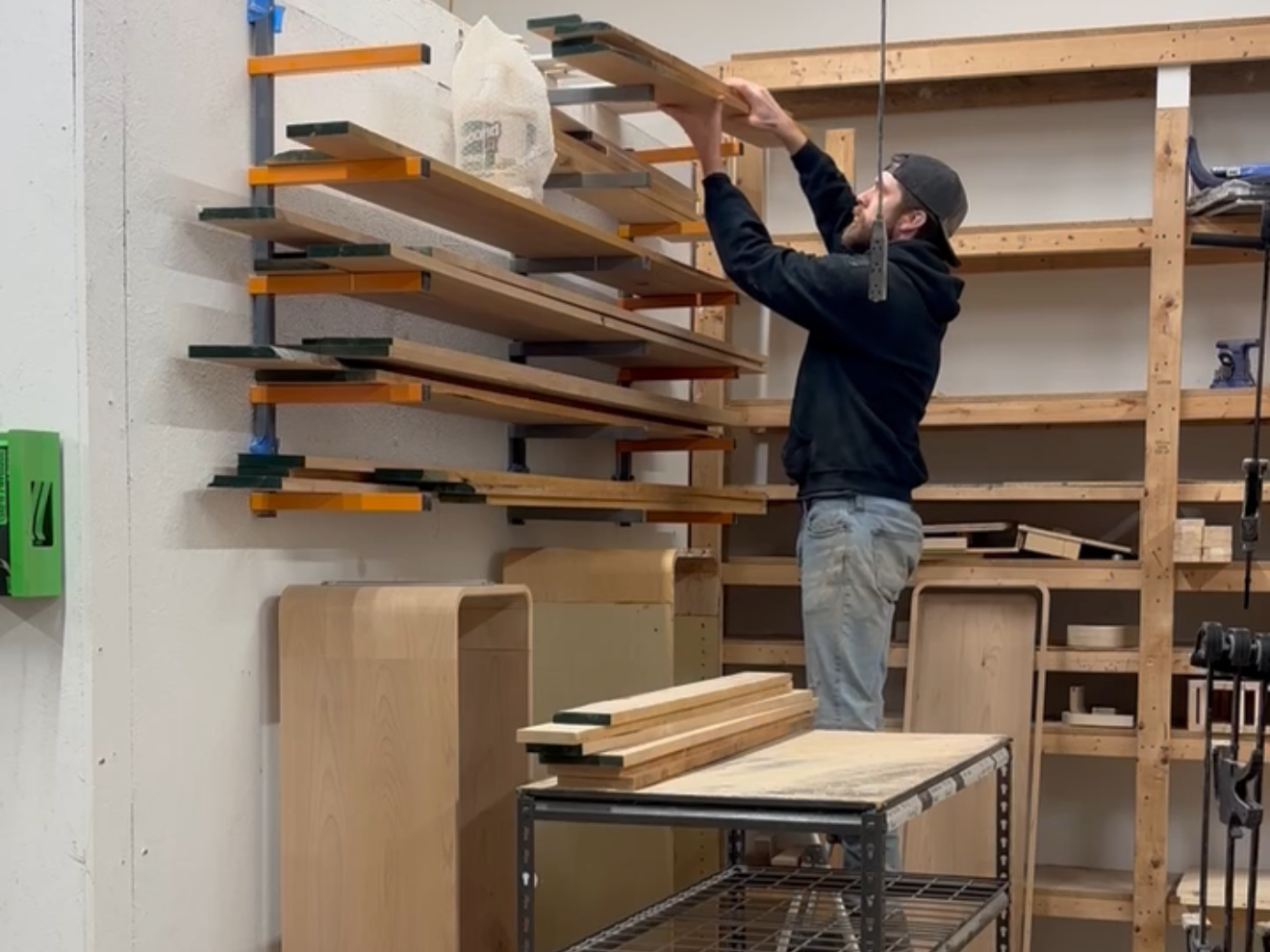
Walk into a furniture showroom and you'll hear dozens of wood names thrown around. Oak. Maple. Cherry. Walnut. Alder. The sales associate mentions these like you should know what they mean, what the differences are, and why you should care.
Most people don't. Unless you work with wood regularly, there's no reason you'd know that oak has prominent open grain while maple is tight and uniform. That cherry darkens dramatically with age while alder stays relatively stable. That some hardwoods are substantially harder than others, which matters for furniture that will be used by children.
When we chose alder as the wood for our initial products, it wasn't arbitrary or based on cost alone. We evaluated multiple hardwood species against specific criteria that matter for children's furniture. Understanding why alder won that evaluation reveals what actually matters when choosing wood for furniture that will serve a family for decades.
As we grow, we plan to offer furniture in different hardwood species, giving you color and aesthetic options to match your preferences. But we're starting with alder for specific reasons worth explaining. Whether you're buying from us or anywhere else, knowing basic wood characteristics helps you make informed decisions.
The Hardwoods We Considered
Before explaining why we chose alder for our launch, here's what we evaluated and why each didn't make the cut as our starting point.
Oak is beautiful and incredibly durable. The prominent grain creates visual interest. It's been used in furniture for centuries because it genuinely lasts. But oak is expensive, especially in the furniture-grade clear lumber we require. The open grain also requires significant filling to achieve smooth surfaces, adding labor and cost. For our first products where we're establishing production processes and pricing, oak presents challenges we'll address later as we scale. We absolutely plan to offer oak once our production is refined.
Maple is extremely hard and durable with tight, uniform grain. It's the wood used for butcher blocks and cutting boards specifically because it withstands abuse. But that hardness makes it more difficult to work as we establish our workshop processes. The tight grain also tends to show every tiny scratch and ding, which isn't ideal for furniture children will use heavily. Maple's density makes it heavy, creating shipping cost considerations. That said, maple's light color and durability make it attractive for future offerings.
Cherry is gorgeous and develops rich patina over time as UV light darkens it. Fine furniture makers love cherry for its workability and aging characteristics. But cherry is expensive, often more so than oak. The dramatic color change it undergoes over years creates issues if you ever need to repair or add to a piece later, as new wood won't match aged wood. We love cherry and plan to offer it eventually for customers who want that warm, evolving color, but it's not ideal for establishing production and pricing.
Walnut is premium hardwood with beautiful dark color and excellent working properties. It's what high-end furniture makers choose when cost isn't a constraint. That's the challenge for a launch product. Walnut's cost would price our initial offerings far beyond what most families can justify, regardless of quality and longevity. We absolutely want to offer walnut pieces in the future for those who prefer darker wood tones.
Ash has beautiful open grain similar to oak but with lighter color. It's strong and workable. The challenge is that ash has been heavily impacted by emerald ash borer infestations, making quality lumber harder to source consistently. For a launch product where we need reliable supply chains, ash presents sourcing challenges we're not ready to manage yet.
Beech is common in European furniture and has fine, even grain with good hardness. It's workable and durable. In North America, beech is less commonly available in furniture grades than other hardwoods, which creates sourcing and cost challenges for a small workshop. It's a possibility for the future as we establish supplier relationships.
Why Alder for Our Launch
Alder isn't the most glamorous hardwood. It's not what furniture manufacturers typically brag about in marketing. But for our initial products as we establish our processes and brand, alder has characteristics that make it ideal as a starting point.
Alder is a true hardwood with good strength and durability. It's softer than oak or maple, but still a genuine hardwood with performance characteristics that far exceed softwoods. This middle ground is actually perfect for children's furniture. Hard enough to withstand years of use without significant damage. Soft enough that working it as we refine our processes doesn't require the specialized tooling that extremely hard woods demand.
The fine, uniform grain of alder takes finish beautifully. Our zero-VOC Rubio Monocoat oil penetrates evenly and creates a smooth, beautiful surface without the extensive grain filling that open-grained hardwoods like oak require. This allows us to establish our finishing process efficiently while achieving excellent results. The finished surface is smooth to touch without being overly slick.
Alder has excellent working properties for a small workshop. It cuts cleanly, joints well, and sands to smooth surfaces without excessive effort. As we're establishing our production workflow and building our first pieces for customers, workability matters enormously. Alder cooperates, allowing us to focus on perfecting joinery and construction techniques rather than fighting the material.
The color is naturally warm and neutral. Alder ranges from light tan to reddish brown with subtle variation that adds visual interest without being busy or distracting. It's attractive enough to showcase naturally with clear finish, but neutral enough to work in any room's color scheme. This timelessness matters for furniture that will remain in homes for decades.
Alder's color stability over time makes it practical for long-term use. Unlike cherry which darkens dramatically, alder's color shift is minimal and gradual. If a piece needs repair or modification years later, new alder will blend reasonably well with aged alder. This consistency serves customers well over the furniture's lifespan.
The cost-to-quality ratio is excellent. Alder provides hardwood performance and appearance at a price point that's more accessible than premium hardwoods while delivering far superior performance to softwoods. This allows us to build entirely from solid hardwood without pricing furniture beyond what families can reasonably invest. We're not compromising quality to hit a price, we're choosing a hardwood that delivers quality at a sustainable price.
Alder is sustainably harvested in the Pacific Northwest. It grows relatively quickly for a hardwood, making it a renewable resource. The forestry practices for alder are generally sound. For furniture built to last generations, knowing the wood comes from responsible forestry matters.
Consistent availability and quality from suppliers allows us to establish reliable production. As a new workshop, we need lumber suppliers who can provide consistent grades and quantities. Alder's availability in the Pacific Northwest creates a reliable supply chain as we scale production.
How Alder Performs in Children's Furniture
The real test of any wood choice is how it performs in actual use. Alder excels specifically in children's furniture applications.
Alder withstands the impacts and scratches children inflict. Toys banged against surfaces, items dropped, chairs dragged across floors. Alder accepts this abuse without showing excessive damage. Minor dents and scratches blend into the wood's natural variation rather than standing out starkly.
The wood doesn't splinter easily. Its density and grain structure resist splintering even along edges when impacted. Edges stay smooth even after years of use. This safety characteristic matters for furniture children touch constantly.
Alder holds joinery securely. Dowels, mortise and tenon joints, dovetails all remain tight in alder over time. The wood's density is sufficient to grip fasteners and joinery components without splitting or loosening. This is why our furniture stays solid rather than developing the wobbles that plague cheaply made pieces.
The wood accepts refinishing well if needed decades later. Because we finish with oil that penetrates rather than coating, refinishing alder is straightforward. Sand the surface lightly, apply fresh oil, and the piece looks renewed. This longevity and maintainability aligns with our furniture philosophy.
Alder's weight is appropriate for children's furniture. Heavy enough to be stable and feel substantial. Light enough that the furniture isn't a burden to move or ship. A solid alder wardrobe can be moved by an adult without requiring help or equipment. This practical consideration matters more than people realize.
What Alder Doesn't Provide (And Why That's Okay for Now)
Being honest about wood characteristics means acknowledging what alder doesn't offer alongside what it does.
Alder won't develop the rich, dramatic patina that cherry develops over decades. If you want wood that transforms significantly, becoming notably darker and richer, alder isn't that wood. It stays relatively consistent. For our initial launch where we're establishing what AlderBourn quality means, this consistency is actually an advantage. When we offer cherry in the future, it will be specifically for customers who want that evolving character.
Alder doesn't have the prominent grain figure that makes oak or ash visually dramatic. The grain is there, it's attractive, but it's subtle rather than bold. If you want wood where the grain is the dominant visual feature, alder won't satisfy that preference. We appreciate the understated elegance, but we recognize some customers will prefer the bold grain of oak, which is why we plan to offer it once our processes are established.
The wood doesn't offer color variety. All alder falls within a relatively narrow color range from light tan to reddish brown. For customers who want very light furniture, maple will eventually be an option. For those who want dark tones, walnut will serve that preference. Starting with alder's consistent, neutral color establishes our baseline quality before we add the complexity of managing multiple species.
Our Future Wood Offerings
Alder is our starting point, not our only wood. As we refine our production processes and scale our workshop capacity, we plan to offer additional hardwood options.
Oak will likely be our next offering. The demand for oak's prominent grain and traditional appearance is significant. Once we've perfected our production process with alder, we'll add oak as an option for pieces where customers prefer that aesthetic and are willing to invest in the premium pricing oak requires.
Maple makes sense for customers who prefer lighter wood tones. Its extreme hardness and light color create a different aesthetic than alder. The challenges of working maple and its tendency to show every mark are manageable once we've established smooth production with alder.
Cherry and walnut represent premium options for customers who want specific color characteristics. Cherry's warm tones that deepen over time and walnut's rich dark brown serve aesthetic preferences that alder can't match. These will be premium-priced options reflecting the lumber cost and the specialized knowledge required to work these woods optimally.
The timing of these additional offerings depends on how our alder production scales. We won't rush to offer multiple woods before we've perfected working with one. When we do expand species offerings, each will meet the same construction quality and finishing standards as our alder pieces.
What This Means for You
Understanding that we chose alder deliberately as our launch hardwood, with plans to expand species options, should inform how you think about our current and future furniture.
The wardrobe launching soon is solid alder throughout. Not oak veneer over cheaper materials. Not alder frames with different wood panels. Solid alder construction. This means consistent properties throughout the piece. Every component benefits from alder's workability, durability, and finishing characteristics.
When we say solid hardwood, we mean it literally and specifically. Solid alder cut from lumber. Not engineered wood products. Not composite materials. This distinction matters for longevity, repairability, and health. It's a commitment we'll maintain across all species we offer.
The choice of alder for our launch keeps our prices sustainable while maintaining quality. Using premium hardwoods for initial offerings would increase costs substantially. Alder allows us to deliver solid hardwood construction at prices families can justify while we establish our brand and processes.
Future offerings in oak, maple, cherry, or walnut will carry premium pricing reflecting lumber costs and production complexity. But they'll maintain the same construction standards, zero-VOC finishing, and handcrafted quality as our alder pieces. The wood species will change. Our standards won't.
The Name Still Fits
We named our company AlderBourn because alder is fundamental to our launch products. The name isn't marketing creativity. It's literal description of where we're starting.
As we grow to offer other hardwood species, the name will still reflect our origins and our commitment to the principles we're establishing with alder: solid hardwood construction, thoughtful material selection, transparent communication about choices and trade-offs.
When you order from AlderBourn now, you're getting solid alder because alder delivers exactly what children's furniture requires: hardwood durability, excellent workability, beautiful finishing, safety, and sustainability at a sustainable price.
When we eventually offer oak, maple, cherry, or walnut, you'll be getting those woods for the same reason: they're the right hardwood choice for what you want, built to the same exacting standards.
What hardwood species would you most like to see AlderBourn offer in the future? What color tones or grain characteristics matter most to you? Share your thoughts in the comments.
Our wardrobe has launched and is handcrafted from solid alder with zero-VOC finish. Future hardwood options are coming as we grow. Join our email list to be notified when additional products become available at www.alderbourn.com.
