
How to Raise Kids Who Don't Need You to Find Their Stuff
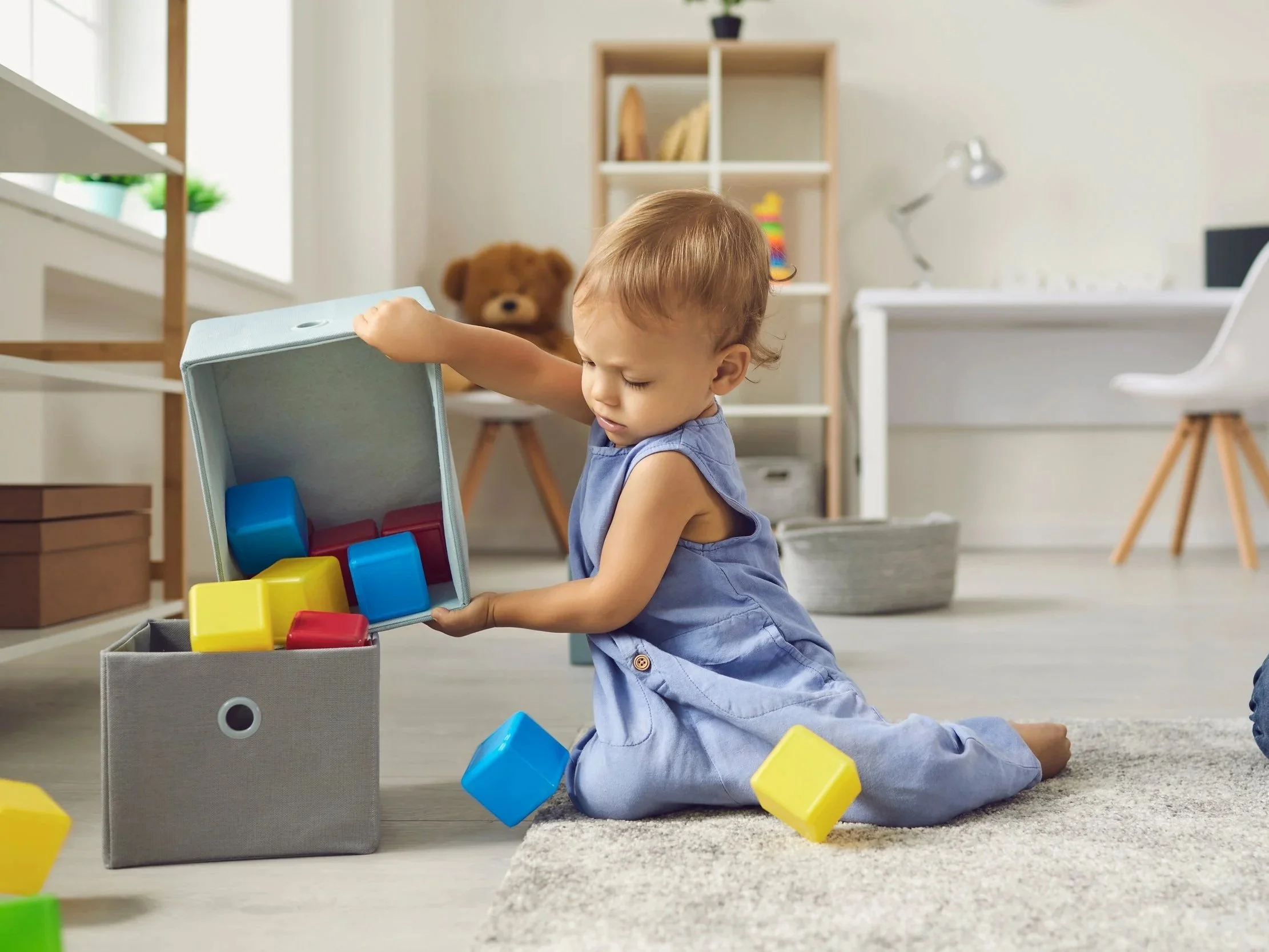
"Mom, where are my shoes?"
It's 7:45 AM. You need to leave for school in five minutes. Your child is standing in the kitchen, backpack on, ready to go except for one critical detail: they have no idea where their shoes are. You've told them a hundred times to put shoes in the cubby by the door. The shoes are not in the cubby by the door.
You drop what you're doing, scan the house, and find the shoes under the couch. You hand them over. Crisis averted. You're only three minutes late instead of catastrophically late.
This scene repeats daily with variations. Where's my jacket? Where's my library book? Where's the homework I finished last night? Your child depends entirely on you to locate their belongings. They don't even try to look themselves anymore. They just ask you because you always know.
Fast forward fifteen years. Your child is in college. They can't find their keys, their wallet, their laptop charger. They call you, frustrated, expecting you to somehow magically solve this from three states away. You realize that in solving every "where is my stuff" crisis for eighteen years, you never taught them to keep track of their own belongings.
This isn't inevitable. Children can absolutely learn to know where their things are and retrieve them independently. But it requires setting up environments and systems that make independence possible, then actually letting them practice rather than constantly rescuing them.
Why Children Can't Find Their Stuff
Before fixing the problem, understand why it happens. Children aren't deliberately trying to frustrate you by losing track of belongings.
Their brains genuinely don't register where they put things. The executive function required to note "I'm setting my shoes here" and later recall that information is still developing throughout childhood. Young children especially live entirely in the present moment. When they kick off shoes, they're already thinking about the next thing, not cataloging shoe location for future reference.
They have no consistent system for where things belong. If shoes sometimes go in the cubby, sometimes by the back door, sometimes under the couch, sometimes in their room, there's no mental pattern to follow. Every time they need shoes, it's a new search rather than going to the place shoes live.
The storage available to them doesn't match how they actually use items. Adult organizational logic says coats belong in the front closet. Child reality is they take off their coat wherever they stop being outside, which might be the kitchen, the mudroom, or the living room. If the "right" place doesn't align with natural behavior, things don't end up in the right place.
They can't reach or access the places things supposedly belong. Hooks mounted at adult height don't work for children. Bins on high shelves might as well not exist. Drawers too heavy for small hands to open won't be used. Inaccessibility guarantees things end up wherever the child can manage, not where they should be.
They've learned that you'll always find things, so why bother looking? This is the most frustrating reason and entirely our fault as parents. When we always rescue them by locating lost items, we train them to be helpless. They never develop the habit of tracking their belongings because it's not necessary. You handle it.
The Furniture Foundation of Independence
You can't organize your way out of accessibility problems. Before any organizational system works, furniture and storage must enable rather than prevent independence.
Everything must be at child height. Hooks for coats and bags need to be where children can reach them without help. Shoe storage needs to be floor level or very low. Clothing storage needs to be accessible without climbing or stretching. This seems obvious but most homes fail this test. We install one low hook "for the kids" while adult coats occupy all the accessible space.
At AlderBourn, this principle guides every design decision. The wardrobe we're launching includes a cubby specifically positioned for items children grab frequently. The hanging rod height works for children to independently hang and retrieve clothing. The drawer is positioned and sized for actual children to use, not miniature adults. Accessibility isn't an afterthought. It's fundamental.
Storage must be visible. Children operate on "out of sight, out of mind" more than adults. Closed cabinets and opaque bins hide contents. Open shelving, clear bins, or open cubbies let children see what's available and where things belong. The visual reminder of where items live helps them return things correctly.
Storage needs to match item size appropriately. Bins too large for small toys mean everything becomes a jumbled mess where nothing can be found. Hooks too small for bulky backpacks mean bags end up on the floor. Shelves spaced too far apart waste vertical space and make organization illogical. Matching storage to what it's supposed to hold makes correct placement intuitive.
Furniture must be stable enough for children to use without adult assistance. If shelving wobbles when they pull items out, they'll ask for help rather than risk it tipping. If drawers stick or require significant force to open, young children can't access contents independently. Stability and smooth operation enable the independence we want children to develop.
The number of storage locations needs to be minimal and logical. When items could go in five different places, children default to wherever they happen to be. When there's one clear, accessible home for each category of item, independence becomes achievable. Less complexity, more success.
Creating Homes That Make Sense
With appropriate furniture in place, creating logical homes for items becomes possible. The key is matching the home to actual use patterns, not ideal organizational theory.
Designate homes based on where items are actually used, not where you think they should go. If your child always takes off shoes in the kitchen, put shoe storage in or very near the kitchen. Fighting natural behavior patterns is exhausting and ineffective. Work with reality.
Create drop zones at natural entry points. Where does your child first stop when coming inside? That's where the cubby, hooks, and storage for outdoor items need to be. The front door might make theoretical sense, but if your family enters through the garage, organize around actual entry patterns.
Group items by use case, not by category. A morning routine station near the bedroom might include a basket for hair accessories, a small mirror, and a bin for seasonal accessories like hats and gloves. This matches how items are used together rather than organizing hair accessories with bathroom items and hats with winter coats in distant locations.
Limit options to reduce decision fatigue. A child who owns forty stuffed animals will struggle to keep them organized. A child with eight favorite stuffed animals and a specific spot for them will succeed. Sometimes the organizational problem is too much stuff for the system to handle, not the wrong system.
Label or mark homes for items visually. Young children can't read, but they can recognize pictures. A photo of shoes on the shoe cubby provides a visual reminder of what belongs there. Even after they can read, visual markers are faster to process than text labels.
Make the correct choice the easiest choice. If the laundry hamper is in the bedroom and easy to use, clothes will end up there. If getting to the hamper requires walking to another floor or opening multiple doors, clothes will end up on the floor. The path of least resistance should lead to the correct location.
Teaching the Habit, Not Nagging
Even with perfect furniture and logical homes, children need to develop habits. This happens through consistent practice, not through constant reminders and rescue operations.
Establish the expectation that items go to their homes immediately after use, not later. Shoes come off, shoes go in the cubby. Coat comes off, coat goes on the hook. Homework is finished, homework goes in the backpack. The immediate action prevents the scattering that happens when "I'll put it away later" becomes never.
Use natural consequences when items aren't put away. Can't find shoes because they weren't put in the cubby? The search time eats into free time, not into the schedule. Can't find the library book? They experience the consequence at school. This is hard for parents because we want to protect children from negative outcomes, but protection prevents learning.
Resist the urge to always rescue them. When your child asks where something is, your first response should be "Where did you last have it?" or "Did you check the place it belongs?" Make them do the cognitive work of tracking their items. Sometimes they genuinely need help. But often they just need to actually look instead of immediately asking you.
Create brief daily resets that return everything to baseline. Ten minutes before bed, everything finds its proper home. This prevents accumulation and reinforces the habit of returning items. The reset is easier than constantly nagging throughout the day or facing overwhelming chaos that accumulated over days.
Praise independence when you see it. "I noticed you put your backpack on the hook without being reminded" is specific positive reinforcement. Children repeat behaviors that get acknowledged. If finding things themselves goes unnoticed but asking you for help gets immediate attention, they'll keep asking for help.
Model the behavior yourself. If you can never find your keys, wallet, or phone, you're teaching your children that being disorganized is normal and acceptable. If you have homes for your belongings and consistently use them, you're modeling the executive function you want them to develop.
Age-Appropriate Expectations
What's reasonable to expect varies dramatically based on developmental stage. Expecting too much creates frustration. Expecting too little prevents necessary skill development.
Toddlers (18 months to 3 years) can put items in large, obvious containers with help and reminders. Shoes go in a big basket. Toys go in a low bin. They're not organizing by category or remembering without prompts. You're building the foundation that things have homes. Success looks like them participating in cleanup with you, not independent organization.
Preschoolers (3 to 5 years) can independently put items in designated, accessible locations when those locations are obvious and consistent. Backpack on the hook by the door. Shoes in the cubby. They can find items in their home locations if those locations are visible and unchanging. Expect success with simple systems. Complex multi-step organization is still beyond them.
Early elementary (5 to 8 years) should be independently managing daily items with minimal reminders. They know where their things belong and can retrieve them without help. They may still need reminders to actually put things away, but they don't need help remembering locations. This is when the habits you've been building should be operating fairly automatically.
Older elementary (8 to 12 years) should fully own tracking their belongings. They're responsible for knowing where things are, finding them independently, and dealing with consequences if they don't. Your role is maintaining the organizational infrastructure, not managing their items. If they're still regularly asking where things are, you've been rescuing too much for too long.
Teenagers should be completely independent with belongings. If your fifteen-year-old can't keep track of their phone, wallet, and keys without your help, that's a problem requiring immediate attention. Within a few years they'll be adults responsible for far more complex life management. This independence should be firmly established by the teenage years.
When Independence Breaks Down
Sometimes children who've been successfully managing their belongings suddenly seem to regress. Understanding why helps you respond appropriately.
Major life changes disrupt established habits. Moving to a new house, starting a new school, family stress, arrival of siblings. During these transitions, executive function suffers. More support is temporarily needed until stability returns. This is normal and doesn't mean previous learning is lost. Just recognize it as temporary regression requiring patience.
Developmental leaps can temporarily make children more scattered. The brain is prioritizing new skills, which sometimes means existing habits get temporarily weaker. This is most noticeable in early childhood but can happen at any age. Consistent gentle reminders help maintain habits without shame.
Too much stuff overwhelms any organizational system. If your child suddenly can't keep track of their belongings, assess whether the volume has become unmanageable. Sometimes the problem isn't the child, it's that they own more than they can reasonably organize and maintain.
Health issues including sleep deprivation, illness, or mental health challenges manifest in increased disorganization. A child who was previously organized and suddenly can't find anything might be struggling with something beyond organization. Digging deeper is warranted.
They may have outgrown the current system. The organizational approach that worked at age five doesn't serve age nine. Periodically reassess whether homes for items still make sense for how your child actually uses them now. Update systems as they grow and change.
The Long Game
Teaching children to keep track of belongings isn't really about shoes and backpacks. It's about developing executive function, responsibility, and independence that serves them throughout life.
The college student who can't find their laptop charger becomes the adult who can't keep track of important documents. The teenager who depends on you to locate everything becomes the employee who can't manage their workspace. These aren't separate skills. They're the same underlying capability.
When you resist the urge to always rescue your child by finding lost items, you're teaching them that they're capable of managing their own stuff. When you set up accessible storage and logical homes for belongings, you're creating infrastructure that enables independence. When you let natural consequences teach rather than constantly protecting them, you're building resilience.
Fifteen years from now, your child will be living independently. They'll need to know where their keys are, where their important documents are, where their work materials are. This skill starts with learning where their shoes are at age three.
The investment you make now in creating accessible storage, establishing logical homes, and letting them practice tracking their belongings pays off in an adult who isn't constantly frazzled by losing track of things. That's worth the short-term pain of letting them search for shoes when they forgot to put them in the cubby.
How do you help your children keep track of their belongings? What systems have worked for your family? Share your strategies in the comments!
Our wardrobe features accessible storage designed to help children manage their clothing independently. Open cubby, reachable hanging rod, and drawer at child height. Join our email list to be notified when ordering opens at www.alderbourn.com.
