
Making Holiday Gifts Last: The Furniture That Grows for 15 Years
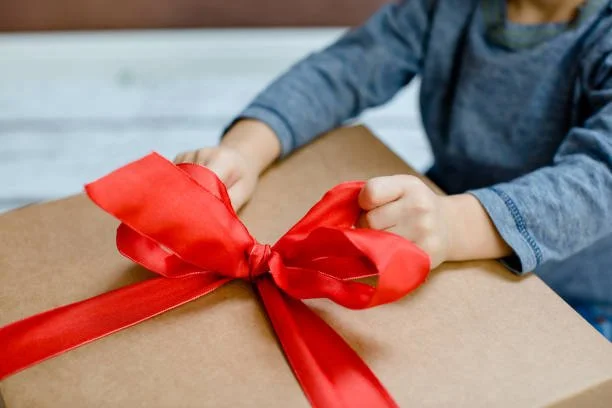
It's the day after Christmas, and you're watching your three-year-old play with the elaborately themed toy kitchen that grandma spent a fortune on. It's beautiful. It's exactly what they wanted. And you're already doing the math—this will be relevant for maybe two years before they outgrow pretend kitchen play, and then what? A $300 piece of plastic that's too specific to repurpose and too bulky to store.
Meanwhile, in the corner sits the simple wooden table and chairs your other grandparent gave. It didn't generate the same squeals of excitement on Christmas morning. There's no flashing lights, no character branding, no obvious play value. Just a solid wood table at the right height for a small child.
But here's what nobody realizes on Christmas morning: that table will still be in use when your child is seventeen. The toy kitchen will be in a landfill before they're six.
This is the tension of holiday gift-giving for children—the immediate delight of the wow-factor gift versus the lasting value of something truly built to endure. And if you're thinking about what to give this season, or what to ask others to give your children, understanding the difference might be the most valuable gift of all.
Why Holiday Gifts Become February Clutter
Let's be honest about what happens to most Christmas gifts. There's the explosion of excitement on December 25th. A few weeks of enthusiastic play. Then the toy gradually migrates to the back of the closet, replaced by whatever came next.
The problem isn't that children are ungrateful or fickle. The problem is that most gifts are designed for a very specific moment in childhood—a narrow window of developmental stage combined with current interests. That LOL Surprise dollhouse? Perfect for a seven-year-old in December 2024 who's into that specific brand. Completely irrelevant by age nine, or possibly by next December when the next toy trend hits.
Themed furniture is even worse because it's expensive, takes up space, and becomes a permanent fixture of a room even after it stops being relevant. That toddler bed shaped like Lightning McQueen might be perfect for a three-year-old. But by age five, when they're still physically sleeping in it, it's making them feel babyish. The furniture is determining their room's identity long after they've moved past it.
Holiday gifts that become clutter share common characteristics: they're trend-specific rather than timeless, they serve a single purpose rather than multiple functions, they're designed for one narrow age range, and they're cheaply made because manufacturers know they'll be replaced soon anyway. This isn't evil—it's just business. But it's expensive business for families and wasteful business for the planet.
The Holiday Gift That Keeps Giving (For Real)
Now imagine a different kind of gift. Something that arrives on Christmas morning, gets used immediately, and then keeps getting used—every single day—for the next decade or more. Not because it's obligatory, but because it's genuinely functional and relevant at every stage.
A quality wooden table and chairs set is exactly this kind of gift. On that first Christmas morning when your toddler is two, it's the perfect place for opening smaller presents, having Christmas breakfast, or doing a simple holiday craft. The immediate value is clear and the gift gets used on Christmas day itself.
But the real magic unfolds over years. At age three, that same table becomes the gingerbread house decorating station for next Christmas. At five, it's where they write letters to Santa. At seven, it's their homework desk during the school year and their craft station during holiday breaks. At ten, it's where they wrap gifts for family members. At fifteen, it might be their study space for finals or their laptop desk.
The same physical table, serving completely different purposes at each stage, all equally valuable. That's not "growing with your child" in the gimmicky sense—it's genuine, functional longevity.
Grandparents often want to give gifts that matter, that last, that become part of family memory. But they're bombarded with the same marketing everyone else sees—the trendy toys, the character-themed items, the things that promise to be this year's must-have. What they might not realize is that the simple, well-made wooden furniture they can give this Christmas will be used and valued far longer than any trending toy.
What Makes Furniture Actually Last Through Childhood
Not all wooden furniture will make it fifteen years. Cheap particle board painted to look like wood will fall apart long before your child outgrows it. Even solid wood furniture can fail if it's not designed with longevity in mind.
Construction quality determines whether furniture survives childhood at all. Real joinery—dowels, mortise and tenon connections, dovetails—holds up to years of daily use. Screwed-together furniture with glue wobbles within months. Particle board swells and crumbles when it inevitably gets wet. Solid wood can take abuse, be refinished, and last for generations. This isn't just about making it through childhood—it's about furniture that could serve your children's children someday.
Appropriate sizing for children without being infantilizing makes furniture remain relevant as kids grow. A table that's the right height for a toddler to use comfortably should also work for a young teenager sitting in a slightly taller chair. Child-sized doesn't mean tiny—it means proportioned correctly for someone between 18 months and teenage years. Get this right, and the furniture never becomes too small or too juvenile.
Timeless design ensures furniture doesn't announce its era or the age of its intended user. No cartoon characters. No trendy colors that will look dated in three years. No design elements that scream "toddler toy." Instead, clean lines, natural wood tones, and classic proportions that would look appropriate in any decade and at any childhood age. This is what lets a teenager use the same furniture without feeling embarrassed.
Versatile functionality means the piece serves multiple purposes across developmental stages. A table isn't just for eating—it's for crafts, homework, projects, gaming, laptop use, and countless other activities that emerge as children grow. Open shelving isn't just for board books—it holds picture books, chapter books, textbooks, and eventually the novel collection of a teenage reader. The furniture doesn't change; what children do with it changes.
Safe, non-toxic finishes matter more than most gift-givers realize. That zero-VOC Rubio Monocoat finish we use at AlderBourn? It means this Christmas gift won't be off-gassing chemicals into your child's room for months. It means the finish bonds with the wood rather than coating it, so it won't chip and peel after years of use. It means this gift is actually safe, not just labeled safe.
The Christmas Gift That Changes Every Christmas
Here's what nobody tells you about giving furniture for Christmas: you're not just giving one gift. You're giving a different gift every single year for the next fifteen years.
The table you give a two-year-old this Christmas becomes the hot cocoa station next Christmas. The year after, it's where they decorate cookies. Then it's where they write thank-you notes. Then where they assemble LEGO sets received as gifts. Then where they do Christmas crafts. Then where they wrap gifts for others. Each December, that same table serves the holiday in completely different ways.
This is the magic that trending toys can never match. That LOL Surprise dollhouse serves exactly one purpose for exactly one age range. The table you give this Christmas will still be creating Christmas memories when your child is in high school.
Grandparents especially should know this. That beautifully made wooden bookshelf you give this Christmas for your grandchild's nursery? It will hold board books this year. Picture books next year. Beginning readers the year after. Chapter books through elementary school. Young adult novels in middle school. A college-bound teenager's favorite books as they prepare to leave home. Every Christmas, when you visit, you'll see that bookshelf you gave—still beautiful, still functional, still valued. No toy can compete with that kind of lasting presence.
Explaining the Gift to Children (And Yourself)
The challenge with giving furniture for Christmas is managing expectations. A table doesn't have the immediate wow-factor of the year's hottest toy. Children don't shriek with the same excitement over a wooden chair as they do over something with lights and sounds.
But here's what we've learned from families who give furniture as major gifts: presentation matters, and so does framing.
Instead of just giving the furniture, give it with its first purpose already set up. Put the table together with a special Christmas morning craft ready to go. Place the bookshelf with a few special holiday books already displayed. Set up the chairs with a Christmas breakfast place setting. The furniture immediately becomes part of the Christmas celebration rather than just sitting there as a generic gift.
Talk about the gift as something special that will grow with them. "This is your special table that's just your size now, and you'll use it all the way through school." Children understand the concept of something being theirs, built to last, worthy of care. They might not fully grasp fifteen years, but they understand "this is yours for a very long time."
For older children, involve them in the choice if possible. Show them options before the holiday. Let them pick a wood finish or decide where it will go in their room. This ownership makes the furniture feel like a real gift, not just something practical their parents needed to buy anyway.
Accept that there might not be Christmas morning squeals, and that's okay. The gratitude will come later—months and years later—when they realize they use this gift constantly, when friends compliment their beautiful furniture, when they're teenagers and recognize that their childhood table is nicer than most of the furniture their friends have.
Making the Case to Gift-Givers
If you're the parent trying to guide what relatives give your children, this is always awkward. Nobody wants to seem ungrateful or controlling about gifts. But there are ways to redirect well-meaning gift-givers toward furniture that will actually last.
Share your vision for your child's space. "We're creating a room that will grow with them through high school, so we're focusing on timeless pieces." This frames it as an aesthetic choice, not criticism of their past gifts.
Suggest furniture as a group gift. "The grandparents together are giving a table and chairs this year" sounds special and meaningful. It also acknowledges that quality furniture costs more than a single toy—pooling resources makes sense.
Create a registry or wish list that includes specific furniture pieces alongside other gifts. When relatives ask what to give, having a concrete list that includes both immediate toys and lasting furniture gives options. Some relatives will gravitate toward the furniture, especially if you explain why you've chosen those specific pieces.
Emphasize the heirloom quality. "We're looking for pieces that could someday be used by their children" appeals to grandparents especially. The idea of giving something that becomes part of family history across generations is powerful.
Be specific about what makes furniture gift-worthy. "We love that this is handcrafted in North Carolina with non-toxic finishes" gives concrete reasons why this furniture is special, not just generic. Details about craftsmanship, safety, and longevity help relatives understand why it costs what it does.
The Gift That Keeps on Giving (Literally)
This Christmas, while toy aisles overflow with this season's must-have items, consider the quiet power of furniture that will still be creating value fifteen Christmases from now.
The grandparent who gives a quality wooden table and chairs this year is giving:
This Christmas: a place for holiday activities
Next Christmas: a cookie-decorating station
Future Christmases: homework space, craft station, gift-wrapping zone
And eventually: furniture that might be passed to the next generation
That's not one gift. That's dozens of gifts, stretched across childhood and beyond. That's furniture that becomes part of your family's story, that appears in the background of fifteen years of Christmas morning photos, that witnesses countless family moments.
The trending toy is gone by Valentine's Day. The quality furniture is forever—or at least for the entire span of childhood, which in the moment of Christmas morning with small children, feels like forever.
What lasting gifts have made the biggest impact in your family? Share your experiences with furniture that's grown with your children through multiple holiday seasons!
